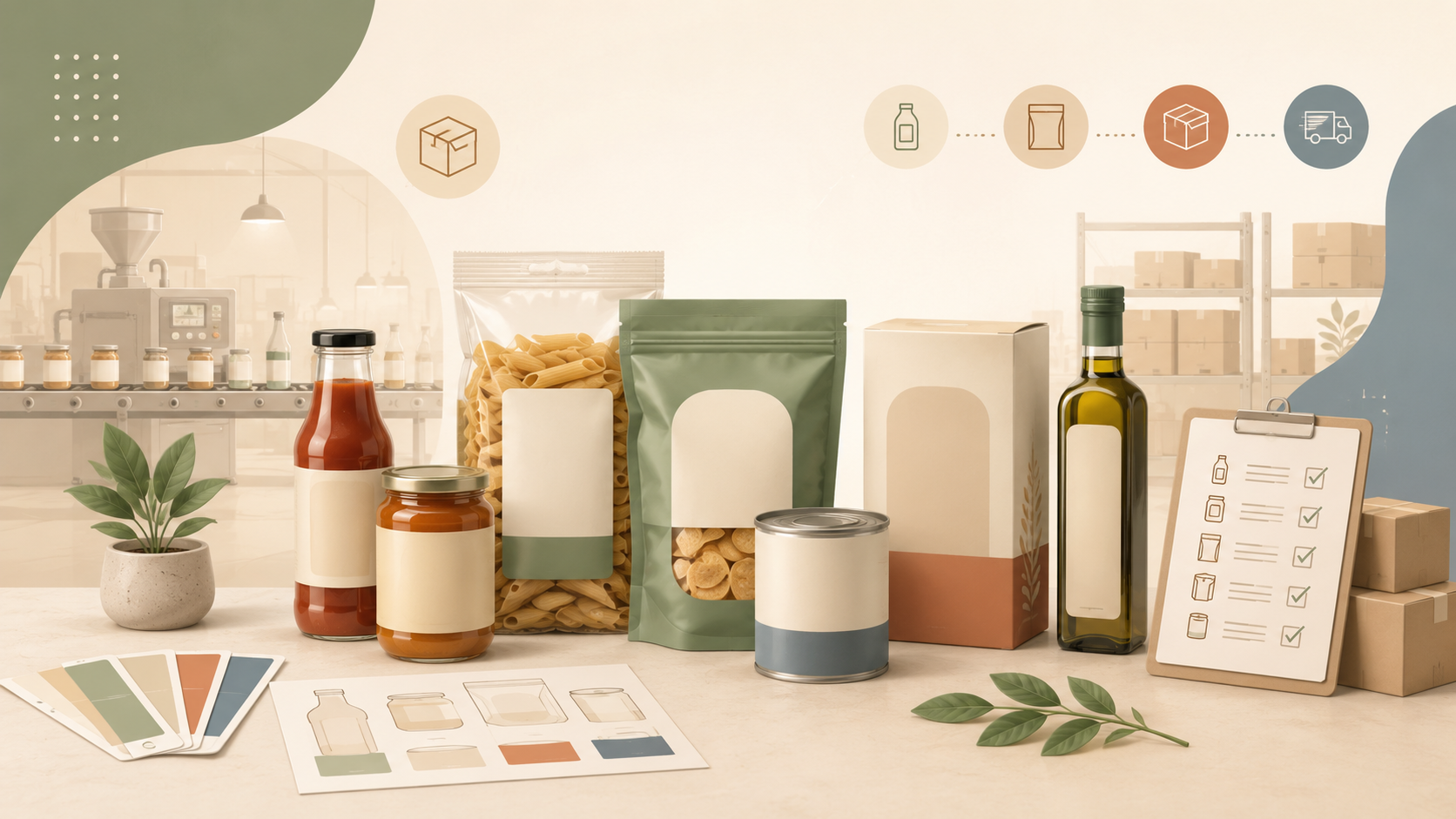
Private Label Food Production: What It Is and Who It's For
Private label production has become one of the most important growth models in the food sector. More and more retail chains, stores, distributors, and businesses are looking for ways to offer products under their own brand, without necessarily building their own production from scratch.
The reason is clear: your own brand gives you more control, better positioning, and the opportunity to build recognition among customers.
In a dynamic and competitive environment, private label products are no longer just a “cheaper alternative.” They are a strategic tool for growth, loyalty, and a stronger market presence.
What Does Private Label Mean?
Private label, or a product under one's own brand, is a product that is manufactured or packaged by one partner but sold under another business's brand.
This means that a retailer, chain, distributor, or other partner can offer a product with its own name, design, and positioning, without managing the entire production process on their own.
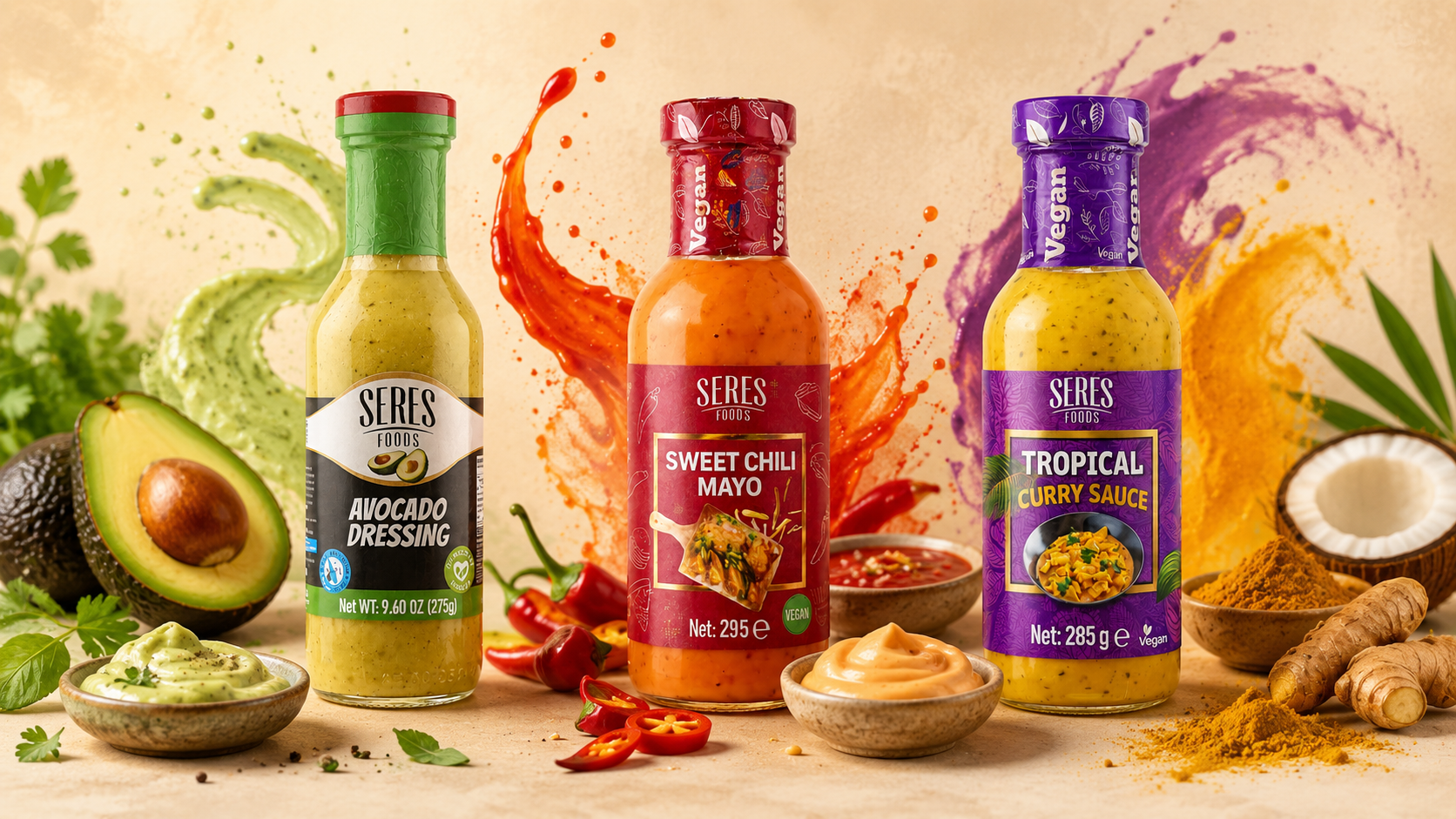
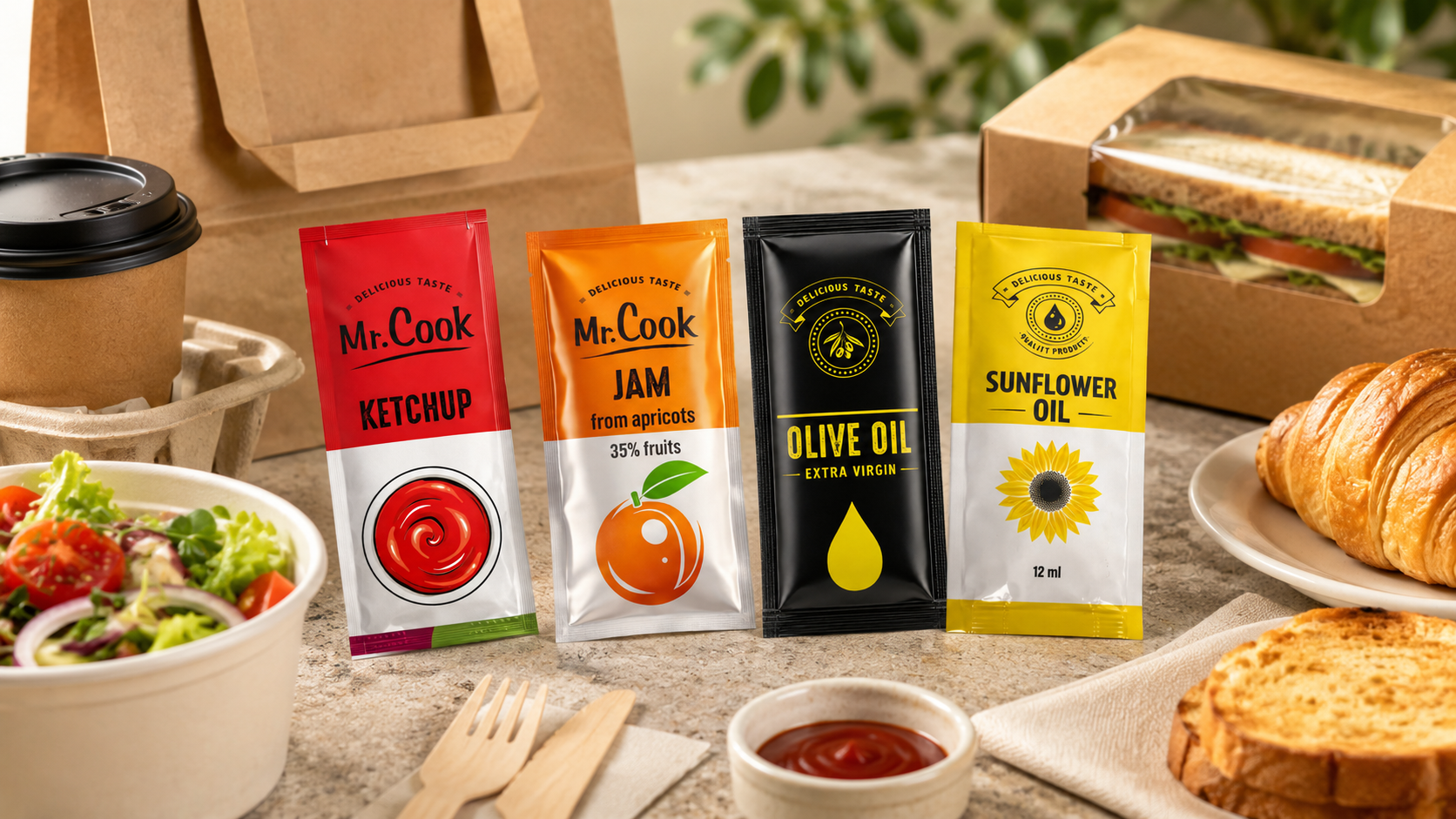
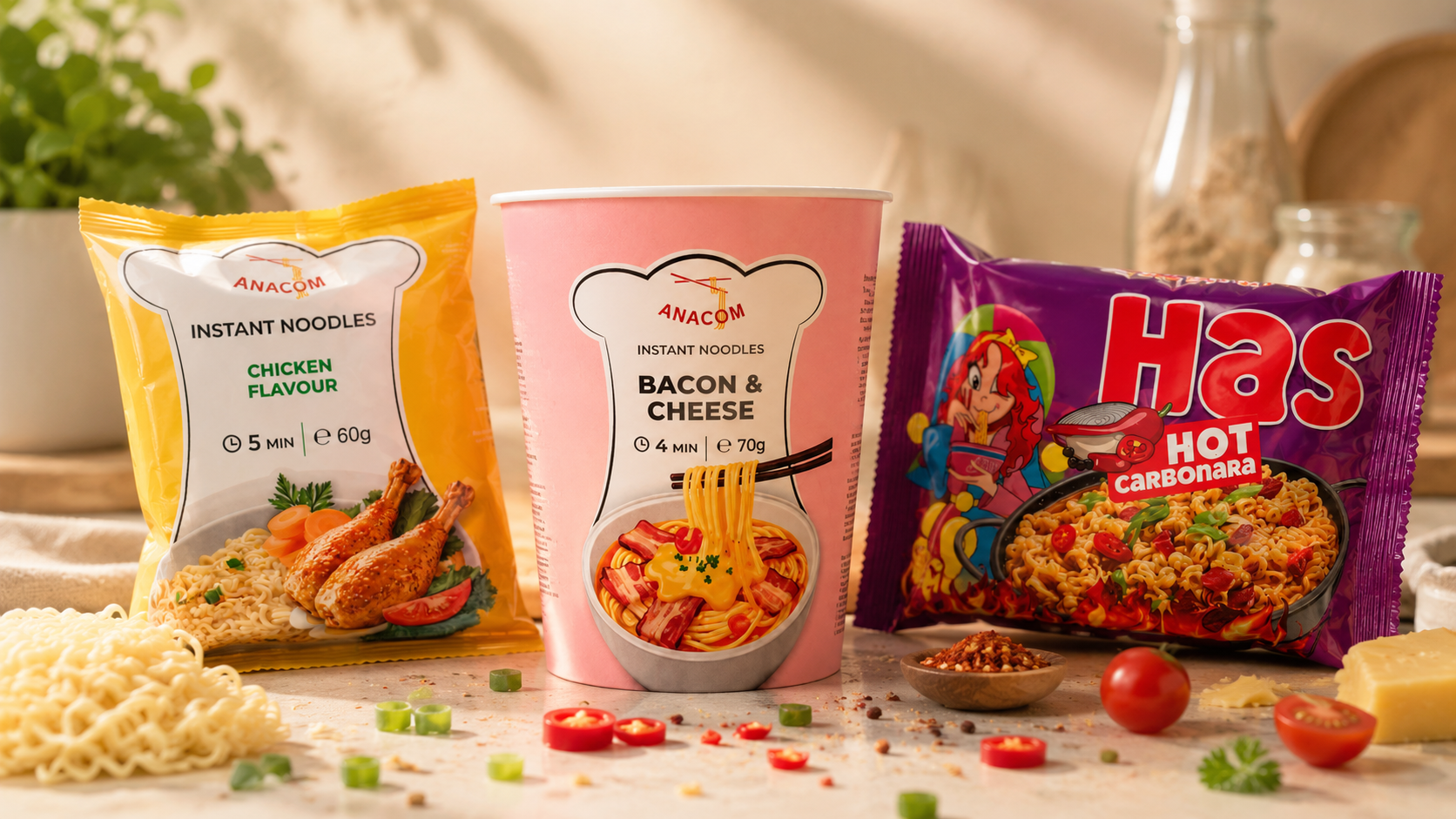
In the food sector, this model is used across many categories — from staples such as salt, sugar, flour, oil, and pasta to more specialized categories such as sauces, sachets, cereal products, ready meals, and gluten-free products.
Why Is the Private Label Model Growing?
Consumers increasingly look for a good balance between price, quality, and trust in the brand.
Retailers, in turn, want to offer products that set them apart from the competition. When a company sells only other brands, it often competes mainly on price. Having your own brand gives you more control over the image, the range, and the market positioning.
Private label products allow a business to build a stronger connection with its customers. If the product is high quality, well presented, and consistently in stock, the consumer starts to associate trust not only with the category, but with the brand itself.
Who Is Private Label Production Suitable For?
Private label solutions are suitable for different types of businesses.
They can be a powerful tool for retail chains that want to develop their own product line. They are also suitable for stores, distributors, HoReCa companies, online retailers, and businesses that want to build a more recognizable portfolio.
They are especially useful for companies that already know their customers and understand what type of products are in demand, but do not have their own production or packaging facilities.
In these cases, the right partner can help not only with the product itself, but also with the format, the pack size, the packaging, and the practical execution.
Which Products Can Be Private Label?
In the food industry, the possibilities are very broad.
Among the most suitable categories for private label are products with steady consumer demand and good turnover. This includes salt, flour, sugar, pasta, cereal products, oil, sauces, sachets, compotes, ready meals, and other staple food categories.
The reason these products are suitable is that they regularly appear in the consumer's shopping basket. When a brand manages to build trust in such categories, it can become part of the customer's everyday choice.
What Matters When Developing a Private Label Product?
Private label production does not start with simply choosing a product. It is important to build a complete strategy around it.
First, it must be determined who the product is intended for: the mass market, the premium segment, HoReCa, wholesale, or a specific customer group.
Next come the pack size, price positioning, packaging design, labeling requirements, shelf life, logistics, and presentation.
A well-developed private label product should be clear, convenient, competitive, and easy to recognize.
The Role of Packaging
For private label products, packaging plays a key role.
It is not just about appearance. The packaging must convey trust, explain the product, and be tailored to the sales channel.
The logic differs for a supermarket product, a HoReCa pack size, online retail, or wholesale.
For sachets, for example, convenience and individual portions matter most. For oils and sauces, the pack size is decisive for the type of customer. For flours, sugars, and salt, it is important that the product is easy to recognize and practical to store.
Why Does the Right Partner Matter?
One of the biggest mistakes in private label projects is underestimating execution.
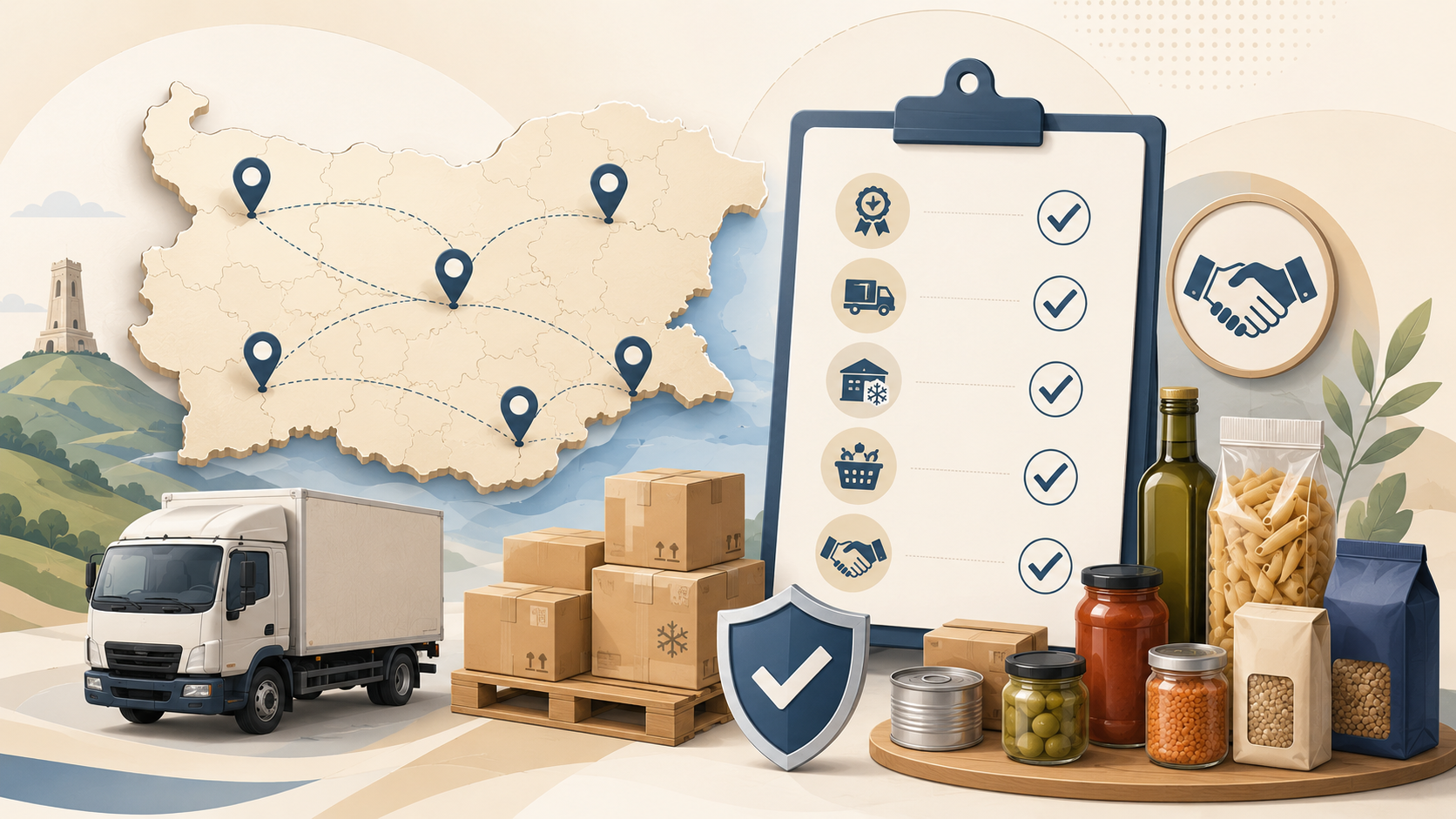
A good idea is not enough without a solid organization behind it. Product knowledge, packaging experience, inventory control, logistics, documentation, and proper communication are all required.
The right partner must understand both the product and the market. They must be able to offer a working solution, not just execute an order mechanically.
This is especially important for food products, where deadlines, labels, packaging, storage, and consistency have a direct impact.
How Does Private Label Help Business?
The private label model can offer several strong advantages:
- more control over the product
- better market positioning
- building your own brand
- higher recognizability
- the opportunity for a more flexible pricing policy
- a stronger connection with the customer
- better assortment management
For retailers, this is a way to avoid depending solely on other brands and promotional campaigns. For distributors, it is an opportunity to develop a more sustainable portfolio. For chains, it is a tool for a stronger identity with the customer.
Vibo and Private Label Solutions
Vibo Ltd. is part of the Vibo 71 family — a Bulgarian company established in 1993, with many years of experience in the food sector.
Over the years, Vibo has developed operations in distribution, import, export, production, and packaging of food products. This experience allows the company to work with various categories and formats, including private label products for partners and commercial clients.
The broad portfolio, market knowledge, and practical work with various product groups form an important foundation for developing private label solutions.
Conclusion
Private label production is much more than putting someone else's name on a finished product.
It is a process that requires strategy, the right product, suitable packaging, a solid organization, and a partner who understands the specifics of the food sector.
For businesses that want to develop their own brand, this is an opportunity for a stronger market presence, better control, and longer-term value.
In its proper form, the private label model can be one of the most effective ways to grow in the food industry.